In Loving Memory
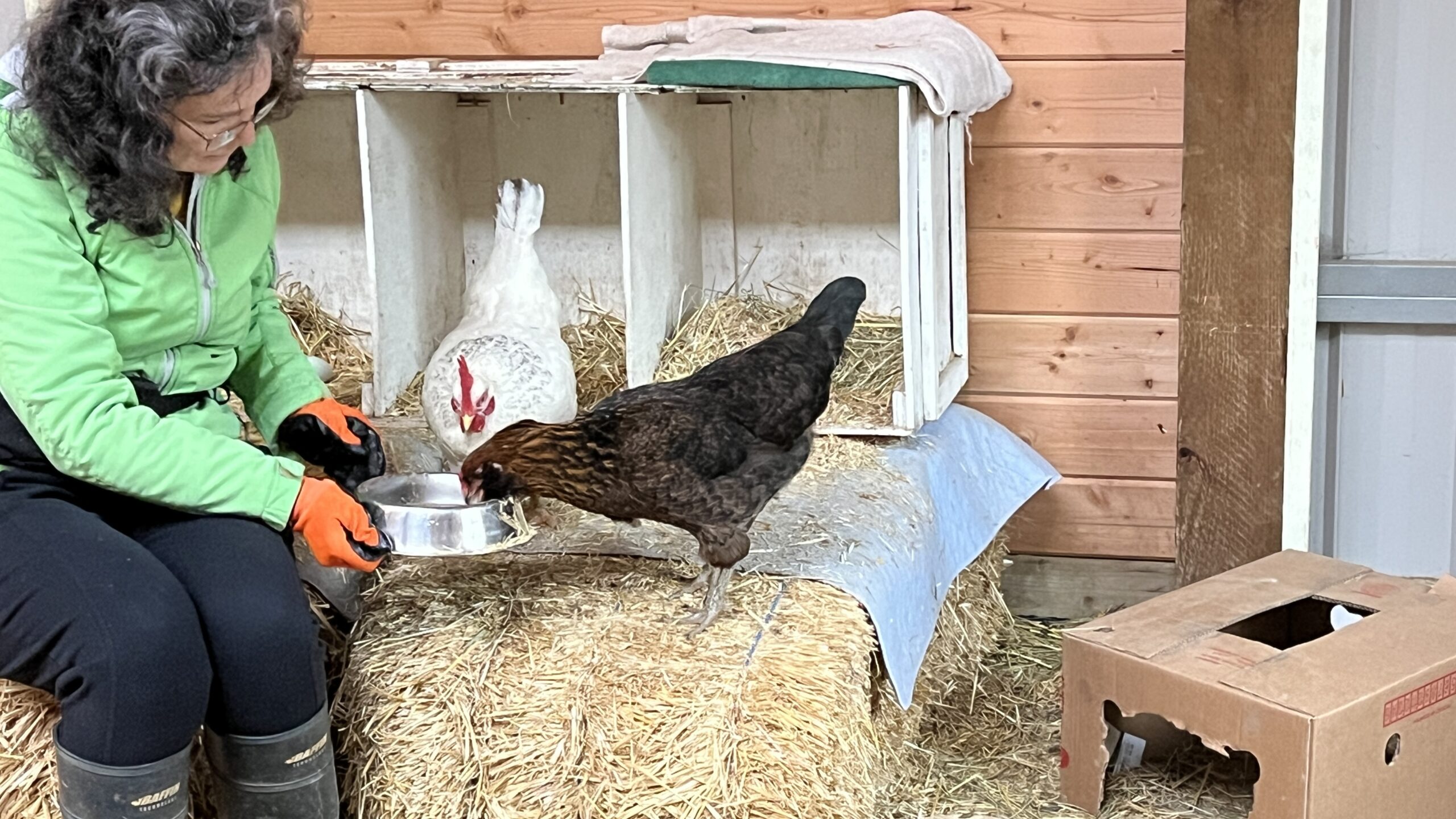
Over the last three months, we said goodbye to three special hens: Little Bo Peep, Maid Marion, and Thumbelina.
Their story with us began in 2024, when a woman named Val came to the farm hoping to speak with someone. She told us about a flock of hens that had belonged to her late husband—chickens he had adored and cared for like pets. After he passed away suddenly, Val was determined that his hens would keep getting the love and attention they deserved, but caring for all of them on her own had become more than she could manage. We were honored to welcome eleven of his hens into our sanctuary family that day, and Little Bo Peep, Maid Marion, and Thumbelina were three of them.
Little Bo Peep—Black Australorp
Bo Peep carried herself with the quiet confidence her breed is known for—steady, gentle, and always a calming presence in the flock. Black Australorps are cherished for their easygoing nature, and Bo Peep was no exception, content to peck alongside her flock mates and bring a settled warmth to the coop.
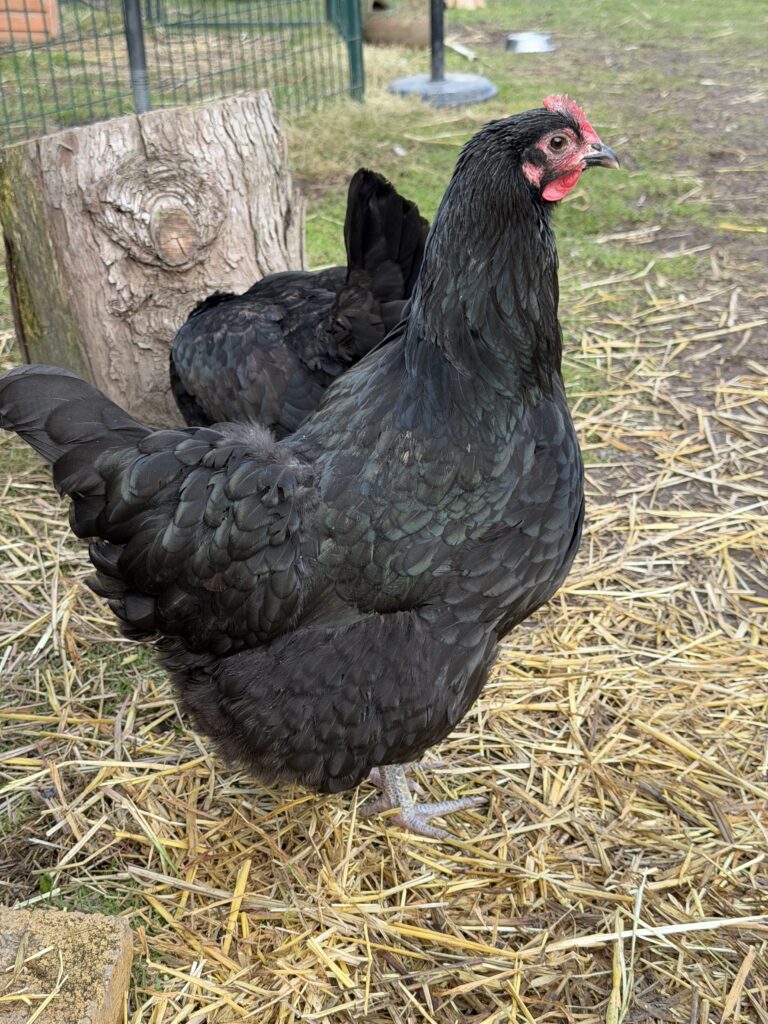
Maid Marion—Black Star
Marion had the bright, curious spirit typical of Black Stars—always among the first to investigate something new, always ready with a cluck of conversation. Her breed is known for being friendly and personable, and Marion embodied that, greeting each day at the rescue with energy and interest in everything going on around her.
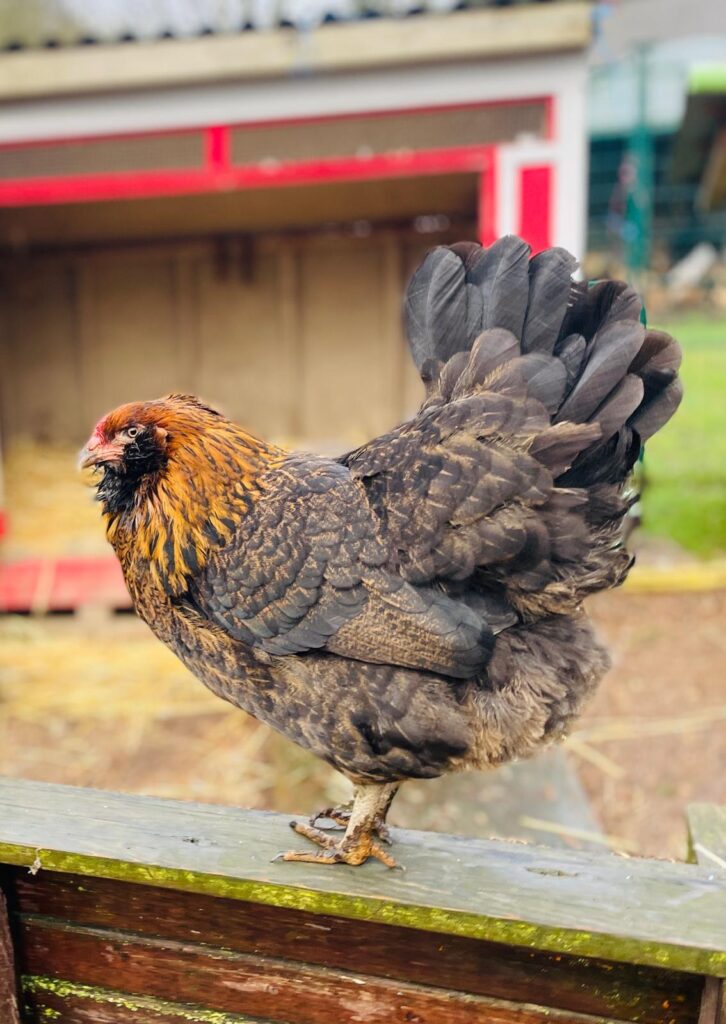
Thumbelina—Ameraucana
Thumbelina brought a touch of elegance to the flock, true to her Ameraucana roots—a breed admired for its striking looks and gentle, watchful temperament. She moved through her days with a quiet grace. Unfortunately she caught and finally succumbed to Trichomonosis, a nasty parasite that causes internal plaques (cankers).
A Farewell from All of Us
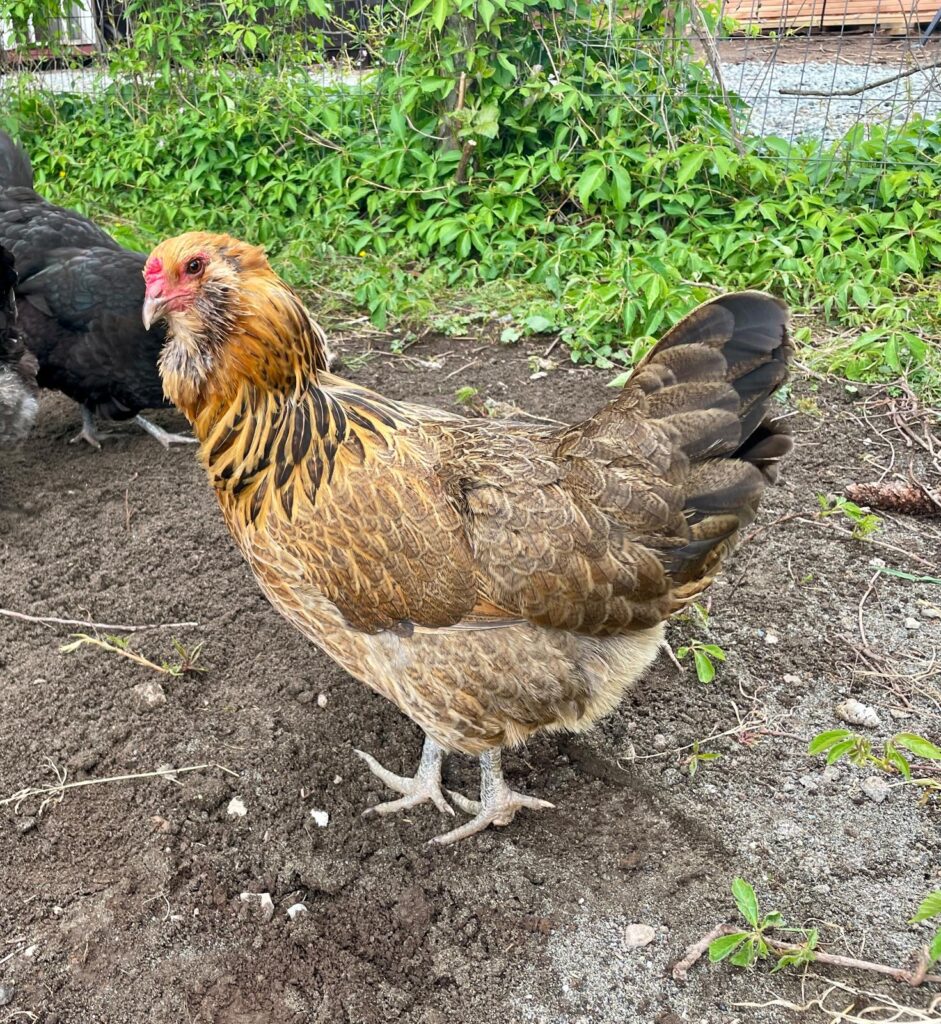
Rest well, sweet girls. Yours wasn’t a life of grand adventures—just simple, steady days spent doing what chickens do best. You had a home, a flock, and people who cared for you every single day. You scratched in the same dirt, dozed in the same sunny corners, and settled onto the roost together each night. That quiet, ordinary togetherness was its own kind of gift—and we’re grateful we got to share it with you.
Little Bo Peep, Maid Marion, and Thumbelina—thank you for being part of our flock. You’ll be missed at feeding time, in the coop, and in the small everyday moments that made this place feel like home for you. Fly free, girls. You were loved.
A Very Concerning Illness
We had a mysterious illness present itself at Kindred Farm in February and we’ve been working hard to diagnose, treat, and prevent its spread.
After a trip to the vet, we now know it’s called Trichomonosis, and it’s a nasty parasite that causes internal plaques (cankers). It sounds horrible and it is! It is spread by wild birds, typically doves and pigeons. In all our years, this is the first time we’ve encountered this and we’ve been asking a lot of questions. Why do only a few hens have it? Why only the hens that were part of a flock that came to us last summer? Why, when we don’t have any wild doves or pigeons at Kindred Farm? We talked to our vet and are thinking that these hens came with this parasite and are only now presenting with the cankers.
Our treatment for our whole flock of hens is very detailed. It involved a preventative measure for all 11 hens of daily meds twice a day for five days. Unfortunately, Thumbelina and Sweet Pea needed extra intervention of two trips to the vet and Enroloxacin for 30 days. In June, Thumbelina succumbed to the illness. Sweet Pea had an additional visit to the vet and is doing well on the second month of Enroloxacin. We are hopeful she will make it.
How You’ve Helped
This was a long story of how your monthly donations are such a godsend to our little farm. You help get this care for our animals. Your donations not only help Kindred Farm animals, but what we learn (often it’s cutting edge in Canada) helps other animals as we share our knowledge with other sanctuaries’ rescue groups.
You are doing life-saving work for animals that deserve as much care and compassion as our companion animals.
If you’d like to learn more about Trichomonosis, follow this link.
https://www.merckvetmanual.com/exotic-and-laboratory-animals/trichomonosis/trichomonosis-in-birds